
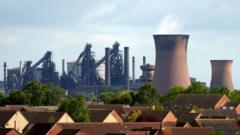
Gold investors often watch headlines that look political on the surface but signal deeper economic uncertainty beneath. A recent development in the UK’s industrial sector underscores that point: Jingye, a Chinese company involved with British Steel, says it is preparing to seek compensation after the UK government moved to nationalise the business.
According to the company’s statement, Jingye plans to pursue its position “through legal means to the very end.” In practical terms, that means escalating the dispute through formal channels rather than accepting the outcome as final. While the exact compensation sought has not been detailed in the public summary, the message is clear—Jingye believes the nationalisation has triggered a loss that warrants reimbursement.
This kind of state action can have ripple effects beyond the immediate parties. Nationalisation decisions may influence investor confidence, raise questions around asset security, and affect expectations for government involvement in markets. For investors—especially those already thinking about capital preservation—such news can reinforce the value of diversifying away from assets that may be exposed to policy risk.
At AAQ Gold in Dubai, we view these moments as reminders to protect wealth with tangible, globally traded assets. Our 999.9-fine gold bars are LBMA-certified and vault-stored, fully insured, and available through a straightforward plan designed for long-term investors: 50% down with zero-interest monthly payments. When uncertainty rises, having a disciplined allocation to gold can help balance portfolios and reduce reliance on any single jurisdiction’s economic or regulatory decisions.
In short, the Jingye–British Steel dispute is more than a corporate clash—it’s a signal to investors to think proactively about risk management. Gold remains one of the most durable options for safeguarding purchasing power in turbulent times.